DA or CDC? Approval pathways for NSW homes
The two main approval pathways for new homes, alterations and additions in NSW — how they differ, and how to know which applies to you.
Development application
A DA is lodged with council and assessed on its merits against the Local Environmental Plan and Development Control Plan. Neighbours may be notified. It suits projects that don’t fit standard rules — heritage work, unusual sites or designs that need flexibility.
Once a DA is approved, a Construction Certificate is required before work begins.
Complying development certificate
A CDC is a fast-track approval for projects that meet set standards under the State’s codes policy. It can be issued by council or a registered certifier, and covers both planning and construction approval.
The trade-off is rigidity. If the design doesn’t meet every standard, it can’t be approved this way.
When a CDC isn’t available
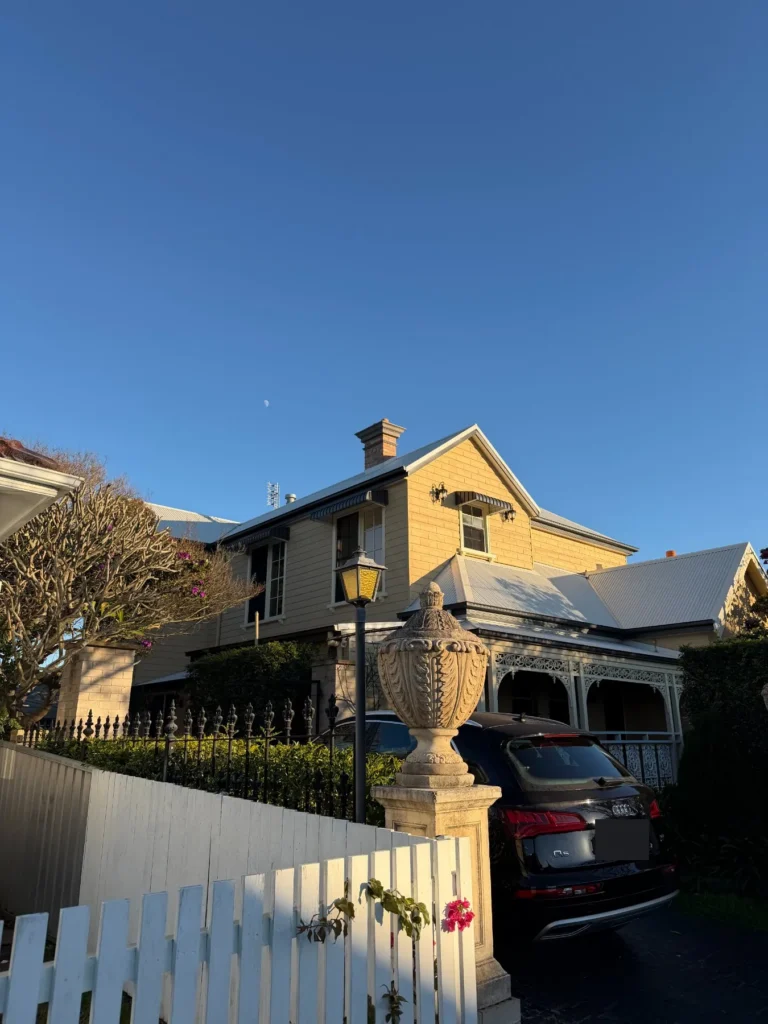
Complying development is generally not available for heritage items, and restrictions apply in heritage conservation areas and on some bushfire- or flood-affected land. Your property’s planning certificate is the place to start.
BASIX
New homes, and alterations and additions valued at $50,000 or more, generally need a BASIX certificate setting water, energy and thermal performance targets. We treat these as a minimum, not a goal.
Choosing the pathway
The right pathway depends on the site, the design and the program. We work with your designer and certifier during pre-construction to confirm it early — before design time is spent in the wrong direction.
Bryce Caldwell is the director of Larq Built, a Newcastle builder of architecturally designed homes and complex renovations with more than 17 years in the industry.