
Architectural renovations in Newcastle
Architect-designed whole-home, structural and character renovations — planned before they start, built to a fixed price, and built to perform.
Renovations that respect the home.
We build architect-designed renovations across Newcastle and Lake Macquarie where the work goes deeper than new surfaces: whole-home renovations, structural reworking of layouts, and character and heritage homes that deserve care. Every renovation is planned and priced line by line before you sign, then built to a fixed price.
We also use every renovation to make the home perform better — warmer, drier, quieter and cheaper to run — because the walls, roof and floors will never be this open again. Larq Built is a boutique builder with more than 17 years’ experience and a limited number of projects each year. NSW Builder Licence 300348C. HIA member.
The renovations we take on
Whole-home renovations
Reworking an entire home — layout, kitchen, bathrooms, joinery, flooring and outdoor spaces — so it works as one considered place rather than a series of updated rooms. In Charlestown we renovated the home inside and out, added new living spaces and a large outdoor entertaining area, and tied it together with custom joinery and panelled feature walls.
Structural renovations and new layouts
Removing or moving walls, opening kitchens to living areas, bringing light into dark hallways and bathrooms. Structural work is engineered and priced before contract, not discovered during it. In Adamstown Heights, large skylights transformed previously enclosed bathrooms and circulation spaces.
Kitchens, bathrooms and joinery
For us these usually form part of a wider renovation. We design joinery with you and our joiner and fix its price before contract. The Floraville renovation brought natural stone, feature wallpaper and brass tapware to the kitchen, bathroom and powder room; Chisholm combined marble finishes, a curved vanity and traditional-style joinery.
Character and heritage homes
Older Newcastle homes reward a careful approach: repairing original fabric where it can be saved, and making new work read clearly as new. See Heritage & Restoration.
Healthier, more efficient homes
Insulation, airtightness, glazing and ventilation upgraded while walls and ceilings are open — so the home is warmer in winter, calmer in summer and free of condensation. More below.
Who we renovate for
Our clients usually have an architect or building designer, or want our help to find one. They value quality, detail and a home that performs, and they want to know the price before they commit. Our renovations are substantial — often the whole house, or a major part of it.
If the lowest possible price is the priority, we are probably not the right builder, and we would rather tell you early. If you want a renovation done properly, we would like to hear about it.
Choosing a renovation company
Most homeowners compare two or three renovation builders. These are the questions that separate them:
- Licence and insurance. Check the builder’s licence through the NSW Government licence check, and confirm Home Building Compensation Fund cover will be in place for work over $20,000.
- Comparable work. Ask to see renovations of similar scope and age of house, and to speak with the owners.
- How the price was built. What is included, what is excluded, and what is sitting as an allowance or provisional sum? Some quotes are kept low to win the job, with allowances set too light and assumptions left unstated; the difference comes back later as variations. A low number full of allowances is not a low price.
- Who you deal with. Who runs the site day to day, how you see progress, and how changes are priced and approved.
- The contract. Clear inclusions and exclusions, a realistic program and a defined process for variations.
More in Choosing a builder for an architecturally designed home — most of it applies equally to renovations.
Renovate, extend or rebuild?
Where the structure is sound, the layout is broadly workable and the character is worth keeping, a well-planned renovation is usually the better choice. If the house simply needs more space, an extension or second storey may do more for the budget. And where you would be replacing most of the structure, services and envelope anyway, a knockdown rebuild often costs little more and performs far better. We discuss all three during feasibility so you can decide on facts. See Knockdown rebuild or renovate?
Renovating older Newcastle homes
Newcastle’s weatherboard cottages, interwar brick homes and post-war houses are wonderful to renovate — and they hide things. Planning for them early is what keeps a renovation on budget:
- Asbestos. SafeWork NSW advises that homes built before the late 1980s may contain asbestos. Friable asbestos, or more than 10 square metres of bonded asbestos, must be removed by a licensed removalist.
- Structure. Undersized framing, tired footings and past repairs are common. We have them assessed before contract.
- Termites and moisture. Timber damage, damp subfloors and poor ventilation are best found and fixed while the house is open.
- Services. Old wiring and plumbing often need replacing to meet current standards.
- Mine subsidence. In mine subsidence districts, structural alterations and extensions need approval under Subsidence Advisory NSW guidelines.
Early investigation and a realistic contingency turn these unknowns into costed items rather than surprises.
A healthier, more efficient home
Many older Newcastle homes are cold in winter, hot in summer and prone to condensation and mould. The usual causes are air leaks, gaps in insulation, single glazing, and bathrooms and kitchens with nowhere for moisture to go. A renovation is the moment to fix them properly:
- Seal and insulate while the house is open — pro clima membranes and tapes make the envelope airtight and weathertight, with insulation that is continuous rather than patchy.
- Manage moisture — condensation risk assessed at design stage, vapour-permeable membranes that let walls dry, and exhaust fans ducted outside rather than into the roof.
- Bring in fresh air — a tighter house needs planned ventilation. As the Australian Government’s YourHome guide notes, an airtight house with inadequate ventilation may lead to condensation, mould and high carbon dioxide levels.
- Upgrade the glazing — better windows, installed and sealed as part of the envelope.
- Healthier finishes — low-emission paints, adhesives, sealants and boards.
Older walls need care: insulating them without thinking about moisture can make things worse, so we assess each situation before deciding how to upgrade it. Renovations valued at $50,000 or more need a BASIX certificate, but the standards for alterations are modest — we treat them as a minimum. See Sustainable & High-Performance Homes.
Heritage and character renovations
Your home may be a listed heritage item, or sit within one of the City of Newcastle’s nine heritage conservation areas, such as Cooks Hill, The Hill or Hamilton South ‘Garden Suburb’. Either affects what can change, particularly facing the street, and external and structural alterations generally need council approval through a development application, often supported by a heritage impact statement.
We repair before we replace: timber windows, doors, fretwork, pressed metal and face brick can usually be saved. Where replacement is unavoidable, we match profiles and materials. The Mayfield renovation used recycled windows, original-style doors and recycled timber flooring so the new work sits naturally with the old. More in Renovating a heritage home in Newcastle.
What drives the cost of a renovation
For renovations, the existing house is usually the largest unknown. Beyond that, cost is driven by structural change, the condition of services, the level of finish and joinery, and the approvals and consultants the project needs.
How a renovation is priced matters as much as the number. Many quotes rely on provisional sums (estimates for work not yet defined) and prime cost items (allowances for things like tapware and appliances). When the real cost differs, it becomes a variation. We resolve as much as possible before contract instead: a Preliminary Budget Assessment tests feasibility against your plans, then pre-construction prices every line item, with joinery fixed-priced. The result is a fixed-price contract with far fewer variations. See What affects the cost of building or renovating?
Approvals for renovations
Some internal, non-structural work can be done without approval. Structural changes, external work, additions and anything affecting a heritage item or conservation area usually need a complying development certificate (CDC) or a development application (DA). Renovations valued at $50,000 or more generally need a BASIX certificate, and mine subsidence approval may also apply. We confirm the pathway with your designer and certifier during pre-construction. See DA or CDC?
Living through a renovation
Whether you can stay depends on the scope and how the work can be staged. The hardest weeks are those without a kitchen or bathroom, when services are switched over, or when walls and roofs are open. Whole-home renovations are usually faster, safer and less stressful with the house empty. For smaller scopes we stage the work, keep a clear line between home and work zone, and agree working hours. We advise before contract which stages, if any, require you to move out. More in Living at home during a renovation.
How a renovation runs with us
- Discovery consultation — how you live, what isn’t working and what you want to keep.
- Preliminary Budget Assessment — a realistic budget range to confirm the renovation is viable.
- Project and site review — we look closely at the existing house and its structure.
- Pre-construction — a paid service in two stages; every line item priced, joinery designed and fixed-priced.
- Fixed-price contract — clear inclusions and exclusions, with a 10% deposit.
- Approvals and construction — live schedule access, a daily log in our portal and app, and weekly site meetings.
See The Larq Method for the detail.
Contracts, insurance and warranties
- A written contract is required for residential building work over $5,000, and the deposit is capped at 10%.
- For work over $20,000, Home Building Compensation Fund cover must be in place, with the certificate given to you before any money is paid.
- NSW statutory warranties: six years for major defects, two years for other defects.
- NSW Builder Licence 300348C.
Where we renovate
We renovate homes across Newcastle — including Mayfield, Waratah, Merewether, Hamilton, Cooks Hill, The Hill, Adamstown Heights, Lambton and New Lambton — and around Lake Macquarie, including Charlestown, Floraville, Belmont, Eleebana and Warners Bay, as well as Maitland and Port Stephens. See building in Lake Macquarie and all areas we build.
Related projects
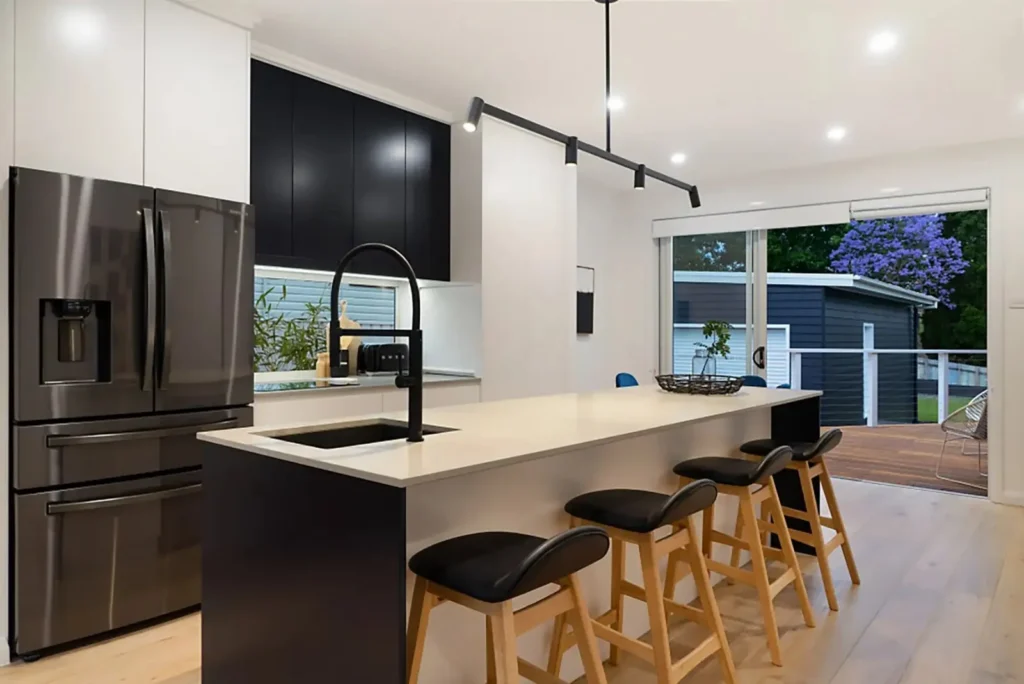 Charlestown
Whole-home renovation & extension
A complete internal and external renovation and extension that reworked the existing Charlestown home into a more connected, functional and considered family residence.
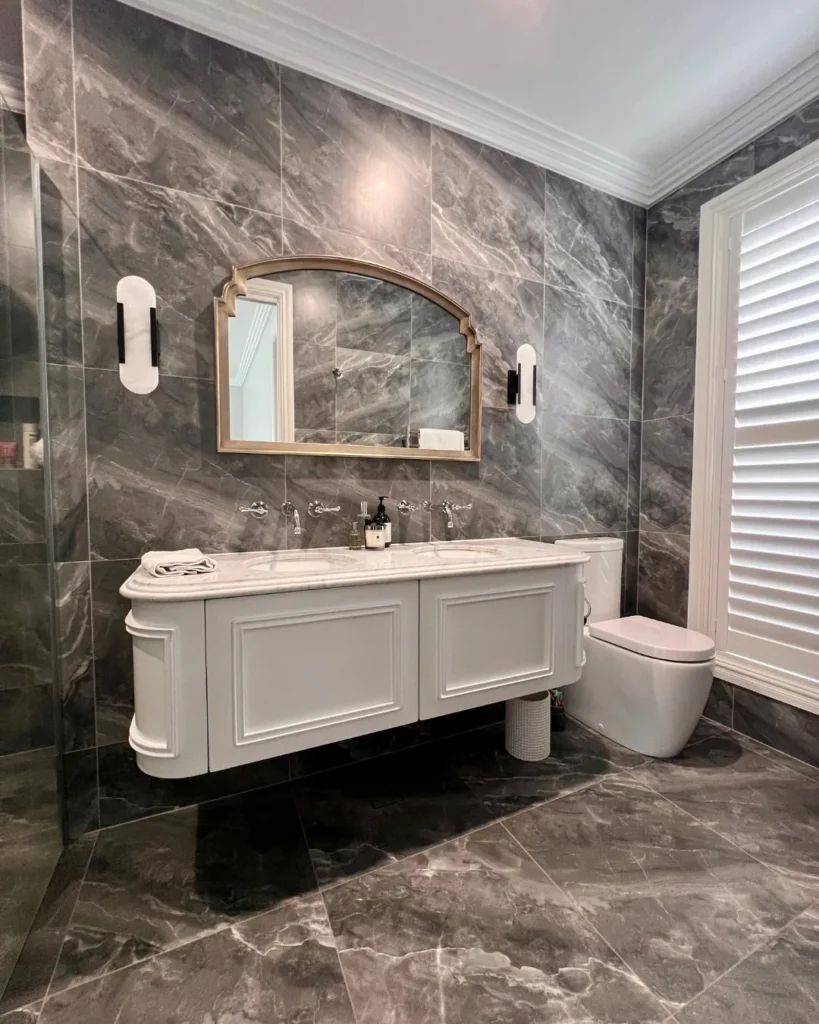 Chisholm
Master suite & bathroom renovation
A detailed renovation and extension creating a more generous master suite, ensuite, main bathroom and guest bedroom within an established Chisholm home.
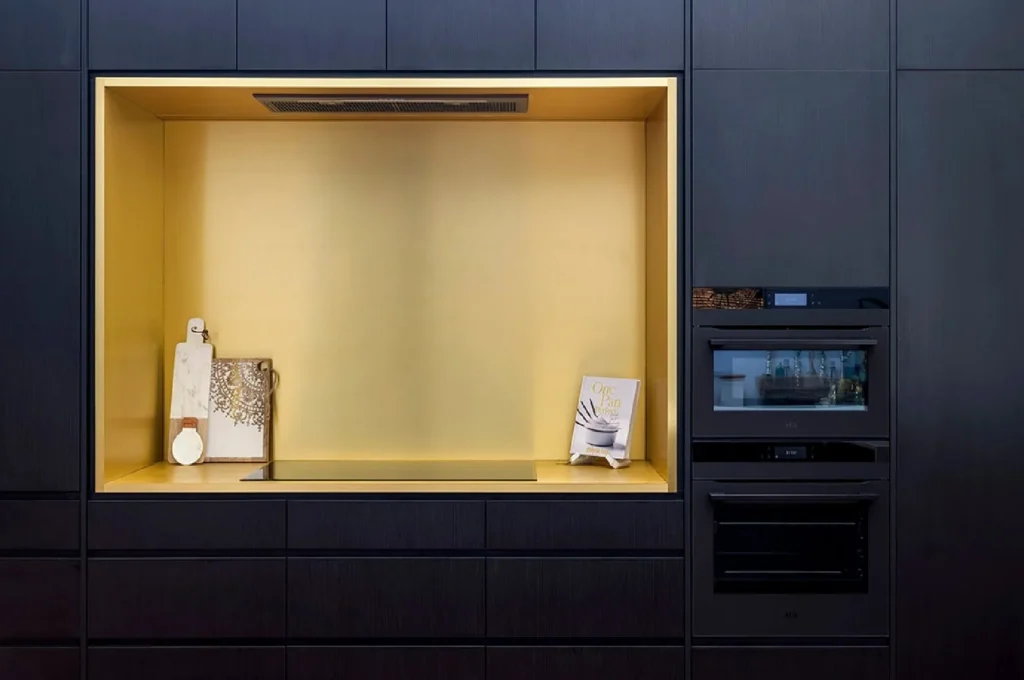 Floraville
Additions & alterations
A considered series of additions and alterations that refreshed and extended this Floraville home, with a focus on distinctive materials and carefully resolved detailing.
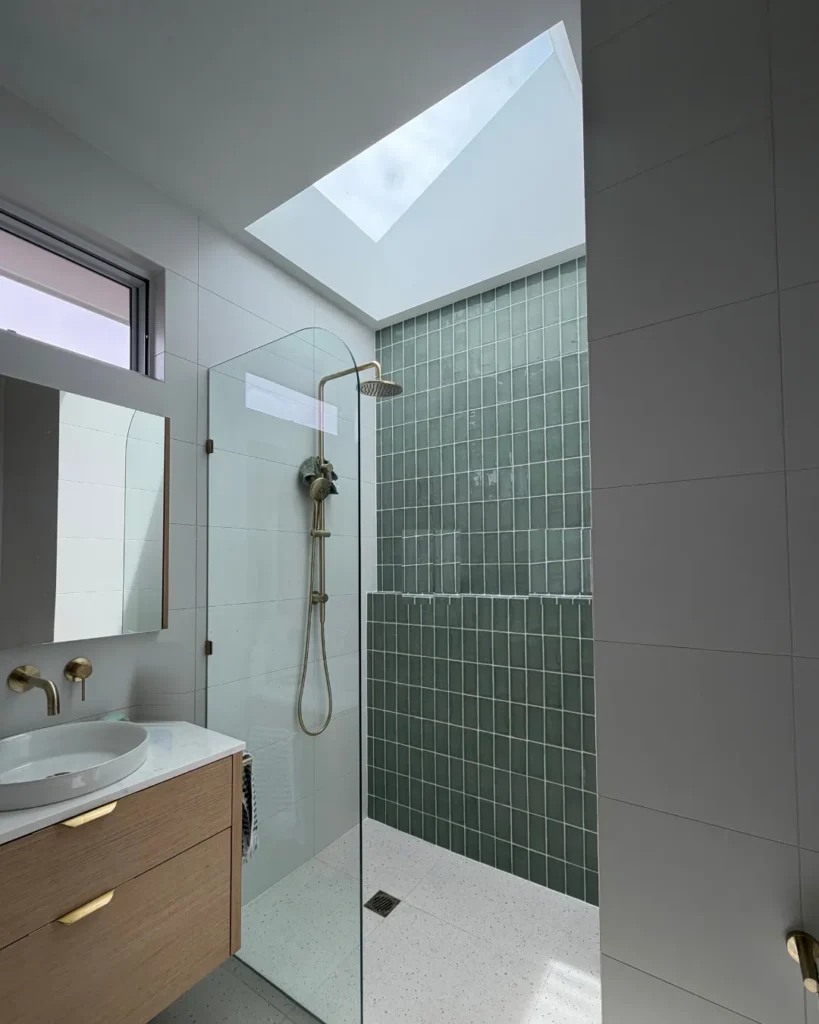 Adamstown Heights
Sloping-site master suite addition
A carefully detailed extension and renovation on a challenging sloping site in Adamstown Heights, creating a private master suite that opens onto a new deck, garden and courtyard.
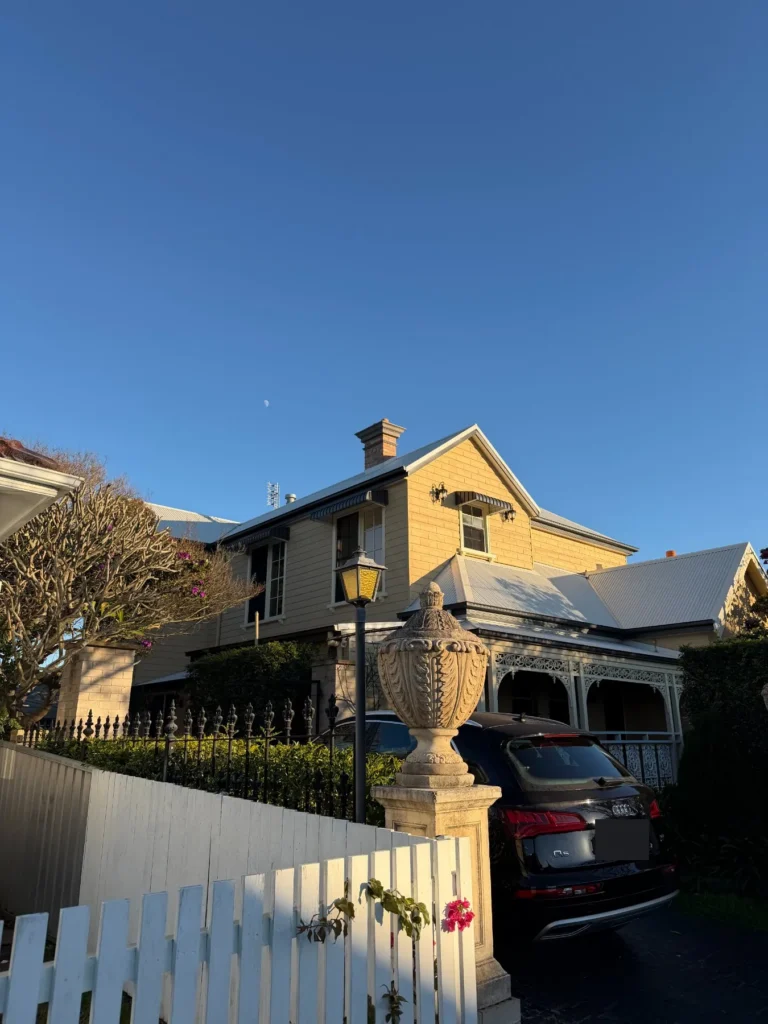 Mayfield
Heritage second-storey addition
A considered second-storey addition to a Mayfield heritage home, combining substantial structural upgrades with carefully detailed period design.
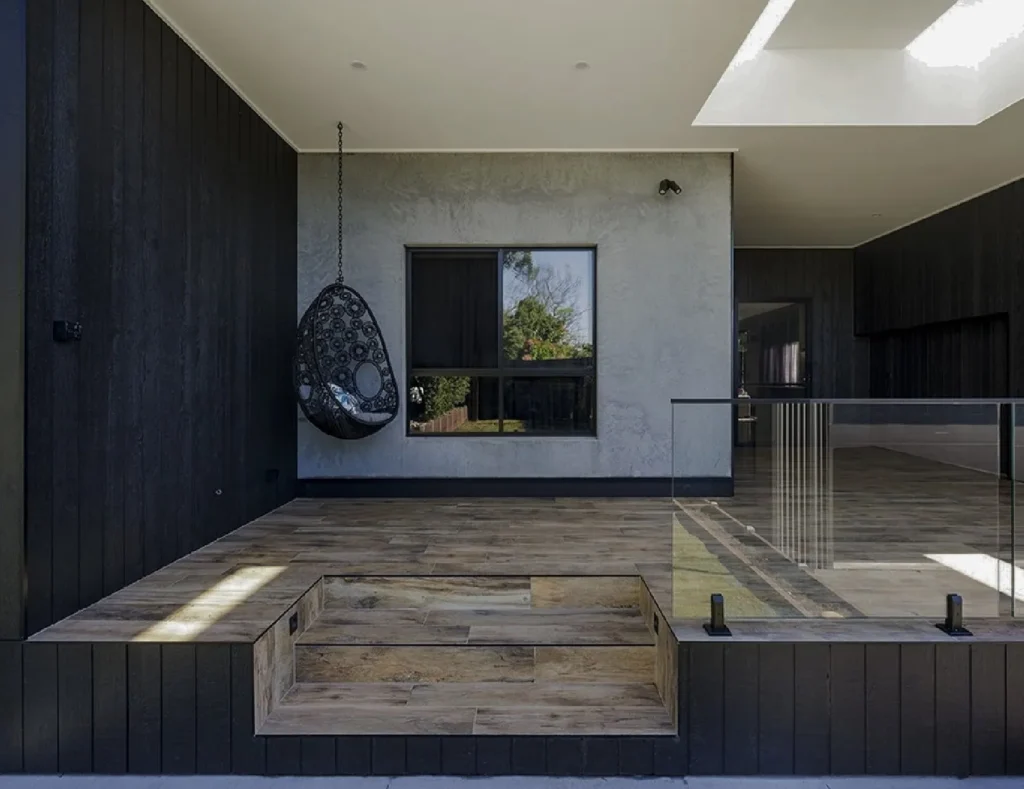 Belmont
Alfresco addition & kitchen joinery
A considered outdoor living addition to this Belmont home, creating a sheltered alfresco space that extends the home’s living areas into the garden.
How much does a whole-home renovation cost in Newcastle?
The existing house is the biggest variable — its structure, services and what is found once walls are open — followed by structural change and the level of finish. We give you a realistic range through a Preliminary Budget Assessment, then a fixed price after pre-construction.
What drives the cost up in an older home?
Asbestos removal, undersized framing or footings, termite or moisture damage, and wiring or plumbing that must be brought up to current standards. We investigate early so these are costed items rather than surprises.
Do I need a DA or a CDC for my renovation?
Some internal, non-structural work needs no approval. Structural changes, external work and additions usually need a complying development certificate or a development application, and homes in heritage conservation areas generally need a DA. We confirm the pathway during pre-construction.
What changes if my home is in a heritage conservation area?
External and structural alterations generally need council approval through a DA, often with a heritage impact statement. Work facing the street is most closely controlled. We repair original fabric where possible and make new work read clearly as new.
What happens if you find asbestos, termites or rot?
We plan for them. Older homes are investigated before contract where possible, a realistic contingency is agreed, and anything found is dealt with properly — asbestos by a licensed removalist where required.
Will renovating fix condensation and mould in an older home?
It can, if the causes are addressed: air leaks, gaps in insulation, cold single glazing and moisture with nowhere to go. We assess condensation risk at design stage, use vapour-permeable membranes, duct exhaust fans outside and plan ventilation, so the fix lasts.
Can a renovation make my home more energy efficient?
Yes. It is the best chance you will get: with walls, ceilings and floors open, insulation, airtightness, glazing and ventilation can all be upgraded for far less than doing it later.
Can we live at home during the renovation?
It depends on the scope. Whole-home renovations are usually faster, safer and less stressful with the house empty. Smaller scopes can often be staged around you. We advise which stages, if any, require you to move out before you sign.
How long does a major renovation take?
Design and approvals are often the longest part. Construction time depends on scope, structure and what the existing house reveals. You receive a program before contract, with live schedule access throughout the build.
Is it better to renovate or knock down and rebuild?
If the structure is sound and the layout broadly works, renovating is usually better. If most of the structure, services and envelope would be replaced anyway, a rebuild often costs little more and performs far better. We compare both during feasibility.
Should we just take the lowest quote?
Compare what each quote includes before comparing the totals. A quote well below the others often has allowances set too low or assumptions missing, and the difference comes back as variations once work starts. Our price is built line by line during pre-construction, so it reflects the work you are actually getting.
Fixed price or cost-plus for a renovation?
We build to a fixed price. Pre-construction prices every line item on resolved documentation, so you know the price and scope before you sign, and changes only arise if you change the design.
What are provisional sums and prime cost items?
Provisional sums are estimates for work not yet defined; prime cost items are allowances for things like tapware and appliances. If the real cost differs, it becomes a variation. We resolve as much as possible before contract so these are kept to a minimum.
Do we need an architect for a renovation?
Most substantial renovations need drawings. We work with your architect, building designer or draftsperson, or can introduce you to trusted partners.
Can you add a second storey as part of the renovation?
Yes. Many of our projects combine renovation with an extension or second storey, such as Waratah and Mayfield. See our Home Extensions page for more.
What protections do I have with a renovation in NSW?
A written contract for work over $5,000, a deposit of no more than 10%, Home Building Compensation Fund cover for work over $20,000, and statutory warranties of six years for major defects and two years for other defects.
Let’s talk about your project.
Tell us where you’re at — an idea, a site or a set of drawings. We take on a limited number of projects each year.