Healthy, high-performance homes: the case for building better
Comfort, running costs and durability are decided by a handful of early decisions. Why performance should be designed in, not added on.
Performance is designed, not added
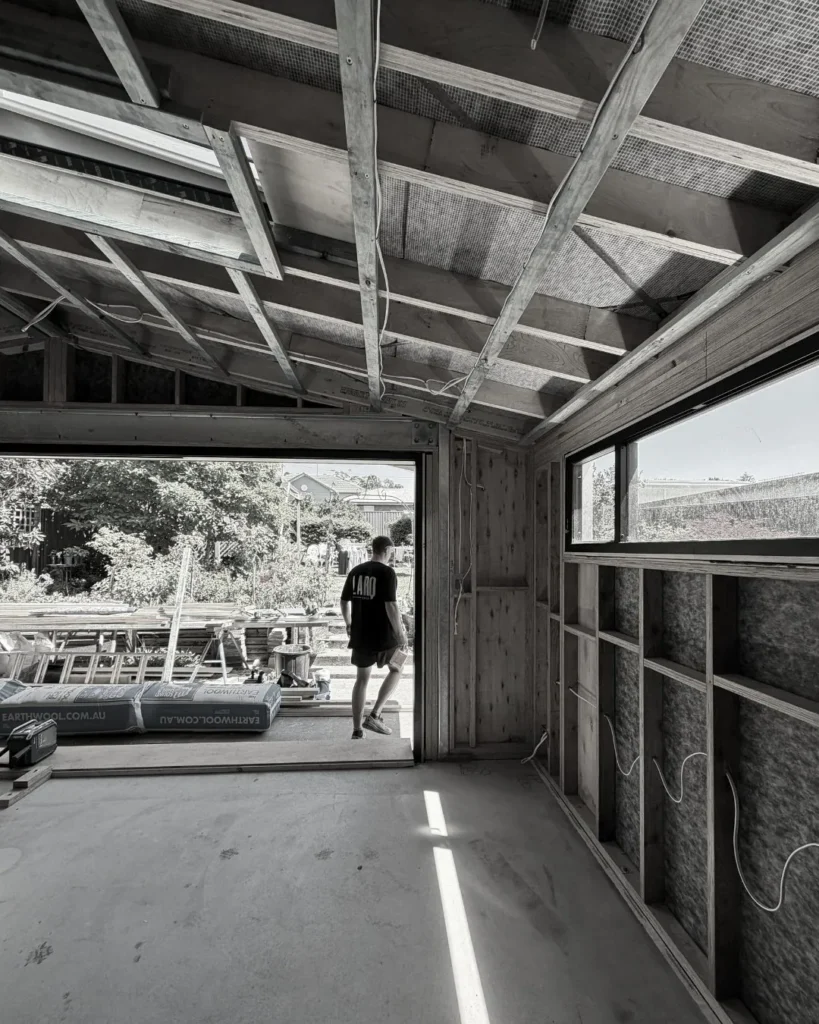
High performance comes from decisions made early — orientation, insulation continuity, airtightness, glazing and ventilation — working as one system. Added late, they are expensive. Resolved early, much of it costs little more than building conventionally.
The envelope does the heavy lifting
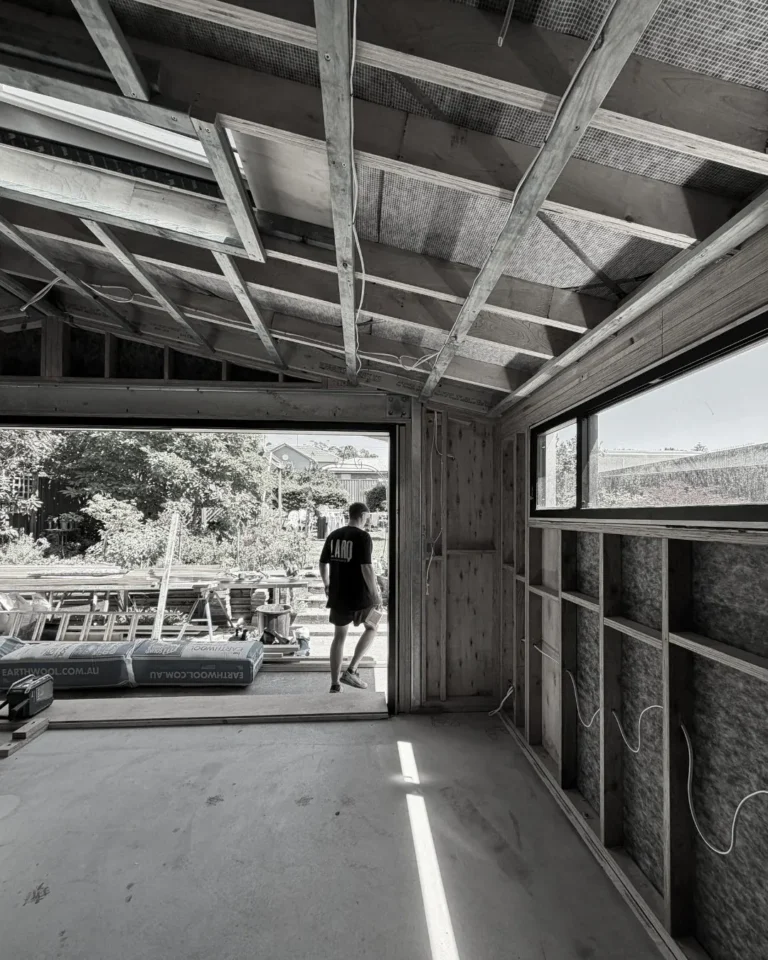
We use pro clima membranes and tapes. The membrane is rated Class 4 vapour-permeable — it lets moisture escape while keeping water out — and makes the frame air- and watertight before any cladding goes on.
Where it’s beneficial, we consider blower-door testing to confirm the envelope performs as designed.
The last 1%
A high-performance home takes more than a good wrap and a counter-battened cavity. We align insulation so there are no gaps, set windows in line with the insulation layer to prevent thermal bridging, and keep structural steel out of the building envelope wherever we can.
Where steel must pass through, the junction is carefully detailed. It’s the last 1% of details that makes a home truly special.
Fresh, balanced air
An airtight home needs planned ventilation. We consider mechanical ventilation with heat recovery, and humidity control, to keep indoor air fresh. We favour low-emission paints, adhesives, sealants and boards, and plan details like the meter box away from bedrooms and living areas.
Built for 100 years
Condensation risk is assessed at design stage, protecting the structure and preventing mould inside the walls. Durable materials and careful detailing mean the home performs well for 100 years — not just on handover day.
Bryce Caldwell is the director of Larq Built, a Newcastle builder of architecturally designed homes and complex renovations with more than 17 years in the industry.