Renovating a heritage home in Newcastle
Heritage homes reward patience. What to check first, what approvals involve, and how to add comfort without losing character.
Check the controls first
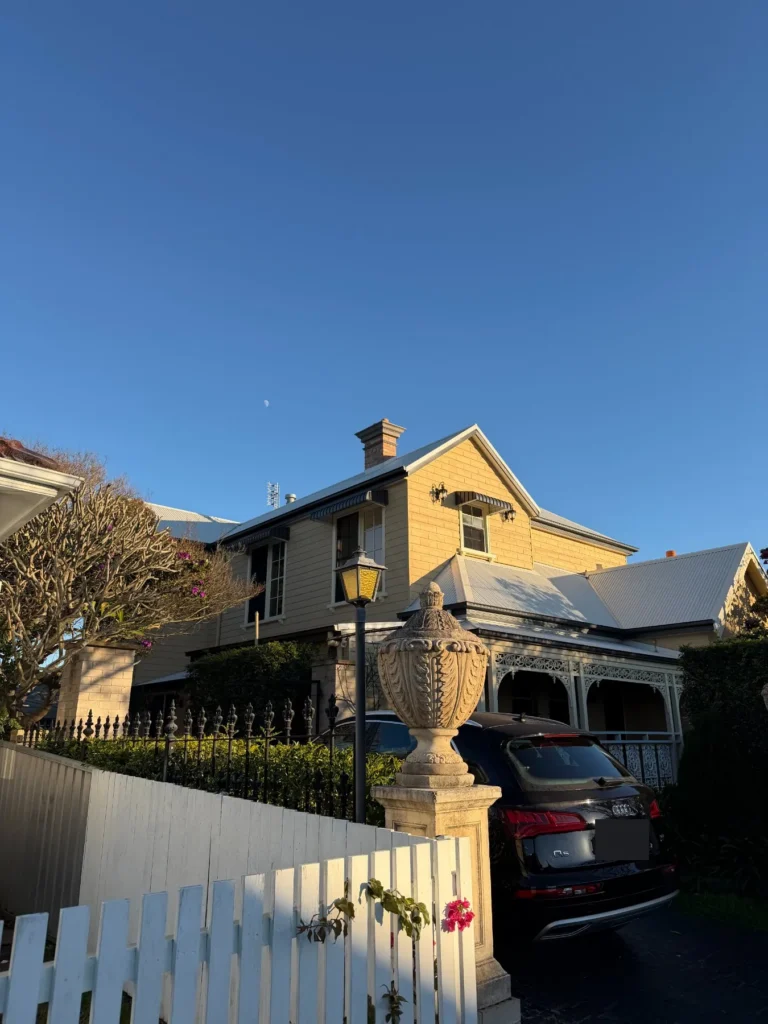
Your property may be a listed heritage item or sit within a heritage conservation area under council’s Local Environmental Plan. Either affects what you can change, particularly facing the street. We can check the controls for your property during our first conversation.
Approvals take more documentation
Heritage work generally proceeds through a development application, often supported by a heritage impact statement. Fast-track complying development is generally not available for heritage items, and conditions apply in conservation areas.
Repair before replace
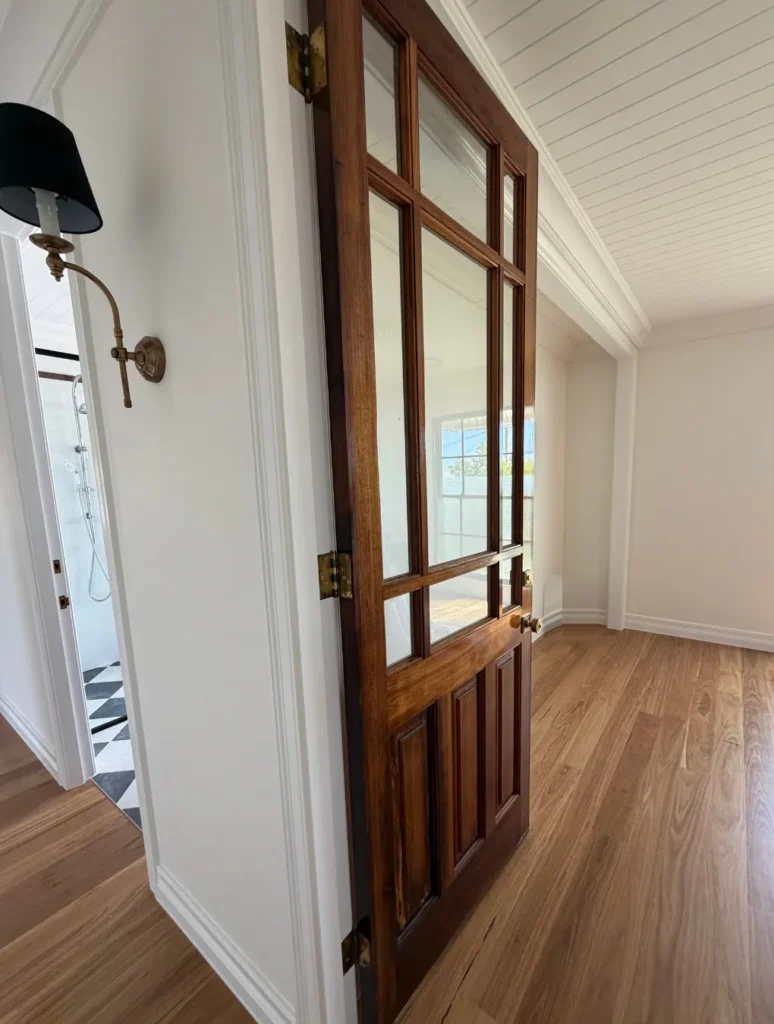
Original fabric — timber windows, doors, fretwork, pressed metal, face brick — can usually be repaired. Where replacement is unavoidable, we match profiles and materials so the result is honest and durable.
New work that reads clearly
Good additions to heritage homes do not imitate. They respect the scale, rooflines and materials of the original, and are detailed so the junction between old and new is deliberate.
Comfort without compromise
Insulation, draught sealing, glazing upgrades and ventilation can all be improved discreetly. The aim is a home that feels like itself — warmer in winter and calmer in summer.
Allow for the unknown
Old homes hide things: past repairs, termite damage, asbestos, undersized structure. Early investigation and a realistic contingency keep these from derailing the budget.
Bryce Caldwell is the director of Larq Built, a Newcastle builder of architecturally designed homes and complex renovations with more than 17 years in the industry.